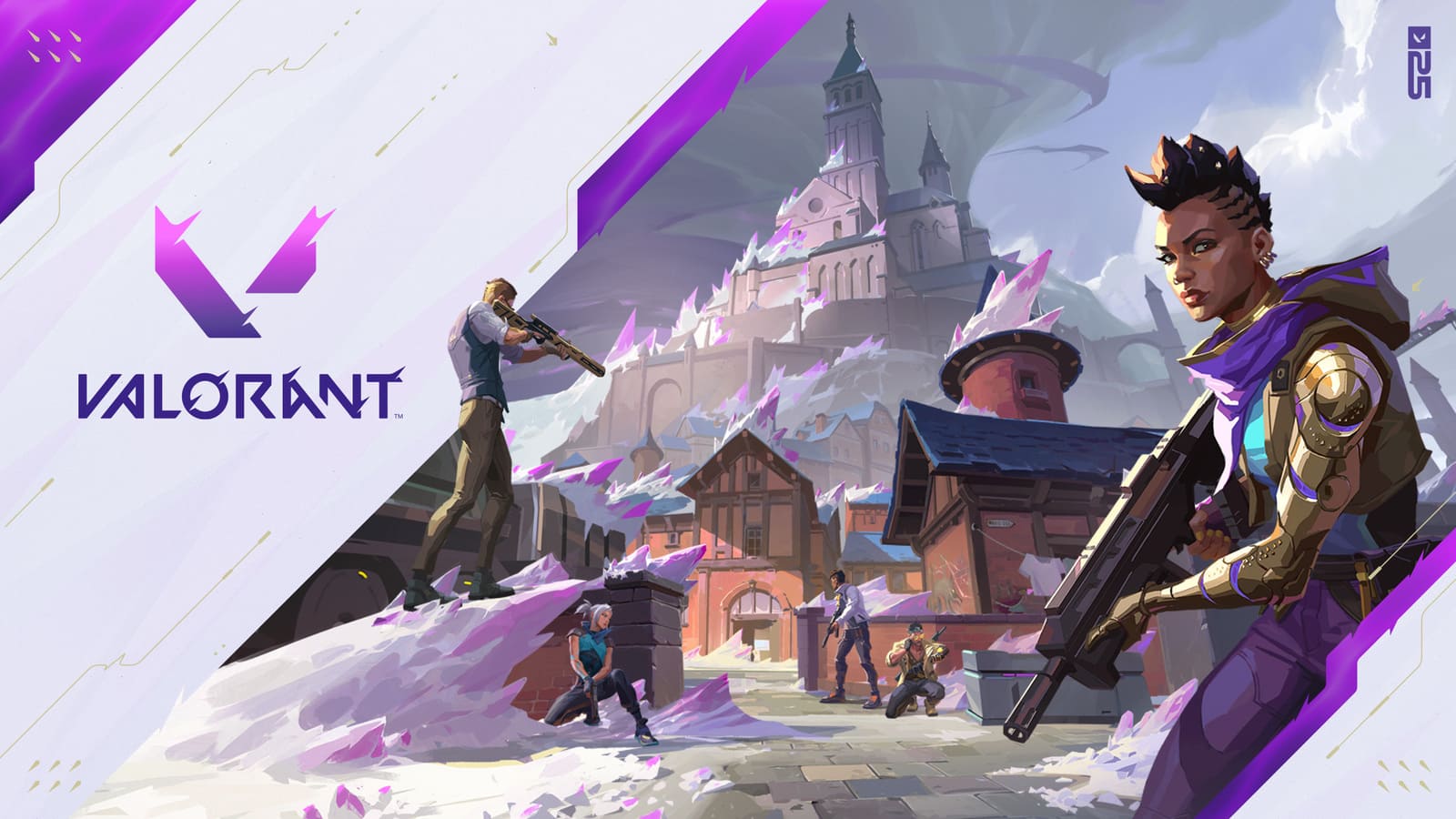
Valorant strikes the ideal balance between deft tactical play and acute technical talent for a lot of gamers. Some believe quick reflexes and accurate shots are key to success. Others argue that smart tactics and teamwork matter more than just aim. As is frequently the case in competitive games, the truth is in the middle. Before getting into this argument, it’s important to note how Valorant and other games thrive on this exact tension between individual performance and group strategy, much like Slotsgem and other platforms that mix entertainment and competition.
The Argument in Favor of Aim
Unquestionably, Valorant takes a lot of inspiration from early tactical shooters like Counter-Strike, where rounds are decided by headshots in an instant. A pixel-perfect flick can tilt a match in your favor or end a push. Particularly in games with lower rankings, better aim frequently masks poorer teamwork.
Reaction speed is only one aspect of Aim in Valorant; other factors include muscle memory, crosshair location, and recoil control. Players often see a big jump in their win rates after hours of deathmatches and aim training. Watching pros like TenZ or Derke shows that a skilled player can often win rounds on their own. Their sharp precision creates highlight reels that spread in the community. This inspires casual players to “just aim better.””
Pure targeting strength does have limitations, though. Without assistance or the right timing, even the most accurate shot loses impact.
The Case for Strategy
Valor is about how a team moves, communicates, and responds, not just about who clicks first. Every agent contributes special skills intended to influence the battlefield. No amount of aim can duplicate the chances created by smokes, flashes, walls, and recon tools.
Consider controllers such as Viper or Omen. Their walls and smoke can block angles and hide sightlines. This helps teammates move around safely. If an entry fragger rushes through open choke points without utility, they won’t get far, even with great aim. Similar to this, sentinels like Killjoy or Cypher can use devices to shut down entire websites, forcing adversaries to change.
In professional play and at higher levels, strategy almost always wins out. In the middle of a game, teams practice set plays, carry out coordinated site takes, and adapt to the patterns of their opponents. Even the most skilled marksmen are shut down without this degree of preparation.
Striking a Balance
The argument centers on the interaction between aim and strategy rather than which should be chosen. Teams that successfully integrate both components are rewarded with valor. A carefully thought-out plan can set the stage for aim to succeed. A well-timed flashbang, for instance, could blind defenders, enabling an entry fragger to cleanly pick up kills. On the other hand, sheer aim can save a team when a strategy fails in the middle of a game.
Balance is crucial for the majority of players moving up the rated ladder. Improving your communication and strategy skills makes you a more reliable partner. Also, working on your individual aim boosts your confidence in duels. To win games regularly, neither talent is sufficient on its own. those who rely just on aim generally stagnate at mid-level ranks, while those who only “think” without execution get overrun by better shooters.
What This Signifies for Regular Gamers?
The greatest way to address the “aim vs. strategy” debate for the typical Valorant player is through introspection. Practice in aim trainers and practice ranges can really help if you often lose one-on-one fights. Your squad will perform better if you concentrate on communication, utility utilization, and map awareness even if you win early battles.
Training both at the same time is a healthy strategy. In addition to spending time honing your aim, evaluate games, thoroughly study agent skills, and comprehend map control. Combining clever play with mechanics can improve performance even for solo queue players.
So, in Valorant, is strategy or objective more crucial? Both—and neither—is the response. Strategy wins battles over several rounds, but aim gives you the advantage in the moment. Riot Games created Valorant to showcase this interaction. Success isn’t just about a player’s skill or intelligence. Investing in both skill sets and developing into a player who can shoot straight and think strategically is the most lucrative way to go on. Valorant thrives on quick reactions and split-second decisions. These skills are key in a game like this.